


Fall 2026 Dedicated Volunteer Scholarship Winner
Rilyn Rodgers
We are pleased to announce Rilyn Rodgers as the Fall 2026 winner of our Dedicated Volunteer Scholarship. At just sixteen years old, she built her county's first-ever emergency communication platform to keep neighbors informed during Hurricane Helene. We're honored to help support Rilyn as she takes the next step toward a future career in law.
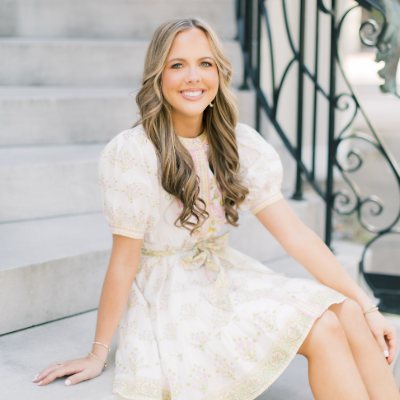
Read Their Essay Here:
At 2:00 a.m., my phone was still buzzing with another message from a community member looking for help after Hurricane Helene devastated our county. The storm left thousands of of my neighbors without power, internet access, and reliable communication. One person was killed, roads were blocked, businesses were closed, and information changed by the hour. Rumors spread quickly, which made it difficult for people to know what resources were available. As a volunteer with our county’s Emergency Management Agency, I realized we had no form mechanism to provide updates to the citizens, so I decided to create one. Early that morning, I decided to build our counties first ever web page and social media platform, so that I could share updates about supply distribution sites, road closures, shelters, and emergency services.
I was 16 years old. I worked 16 hour days for 5 weeks to help my community. There were many private messages that came through during that time, but there was one that stayed with me long after the storm ended.
A woman reached out through social media because she was desperate to help her elderly parents. They were without power for days and were running low on essential supplies. More concerning, they were struggling to access prescription medications they relied on each day to survive. Cell service was unreliable, information was inconsistent, and she had no idea where to turn. She shared that she heard different reports about available resources, but she was unable to determine which information was accurate.
Using information provided to me by emergency officials, I connected her with the locations and schedules of supply distribution sites and shared resources available to residents who needed assistance obtaining prescription medications. It was a simple exchange, one of hundreds of messages I responded to during the disaster, but at the time I had no idea whether it would make a difference.
A few days later, she contacted us again. Her parents had received the supplies they needed, including assistance accessing their medications. She thanked us for providing information she could trust when everything else felt uncertain. For her family, accurate information had not only been helpful. It had been essential. That interaction changed the way I think about volunteer work.
Before Hurricane Helene, I associated volunteer work with visible acts of service such as collecting donations, serving meals, or helping clean up after an event. Those contributions are incredibly important, but the hurricane taught me that service can take many forms. During a disaster, information becomes a resource. People cannot access food, water, shelter, or medical assistance if they do not know where to find it. In moments of crisis, clear communication can be just as valuable as the supplies themselves.
Over the following weeks, I continued updating websites, creating social media posts, and answering questions from residents throughout the county. Each message represented a person facing uncertainty. Some were looking for food and water. Others needed shelter, transportation, or medical assistance. Many simply needed reassurance that help was available. While I never met most of the people behind those messages, I knew every response could affect someone’s life.
The woman searching for help for her parents gave me a tangible example of that impact. Because accurate information reached her when she needed it, her parents were able to obtain critical supplies and medications during a public emergency. What seemed like a routine social media response became a direct connection between a family in need and the resources that could help them.
The experience reinforced my commitment to serving others and showed me how much impact one person can have when they step forward to help. At sixteen years old, I was entrusted with helping communicate information during one of the most challenging periods our community had faced. That responsibility taught me that leadership is not always about being the person in front of the cameras or making major decisions. Sometimes it is about making sure the right information reaches the right person at the right time. Although I was recognized with a resolution on the floor of the House of Representatives for my volunteer work in my community, the most impactful thing for me was knowing I was able to help others during a time of need.
Today, that lesson continues to guide me. Whether I am volunteering, working, or preparing for a future career in law, I carry with me the understanding that service is ultimately about people. Behind every question is a person looking for help, and sometimes the most important thing you can do is help them find what they need.
Need Help? Hire an Attentive Team to Defend Your Rights

Our law firm has offices in Annapolis and Centreville, and we provide legal services to clients throughout Maryland, including Crofton, Severn, Arnold, Millersville, Glen Burnie, Pasadena, Severna Park, Odenton, and Linthicum Heights.
Results listed are not a guarantee or indication of future case results.
©2026 Henley & Henley, Attorneys at Law

